SyrIA concludes first series of ten capacity-building workshops
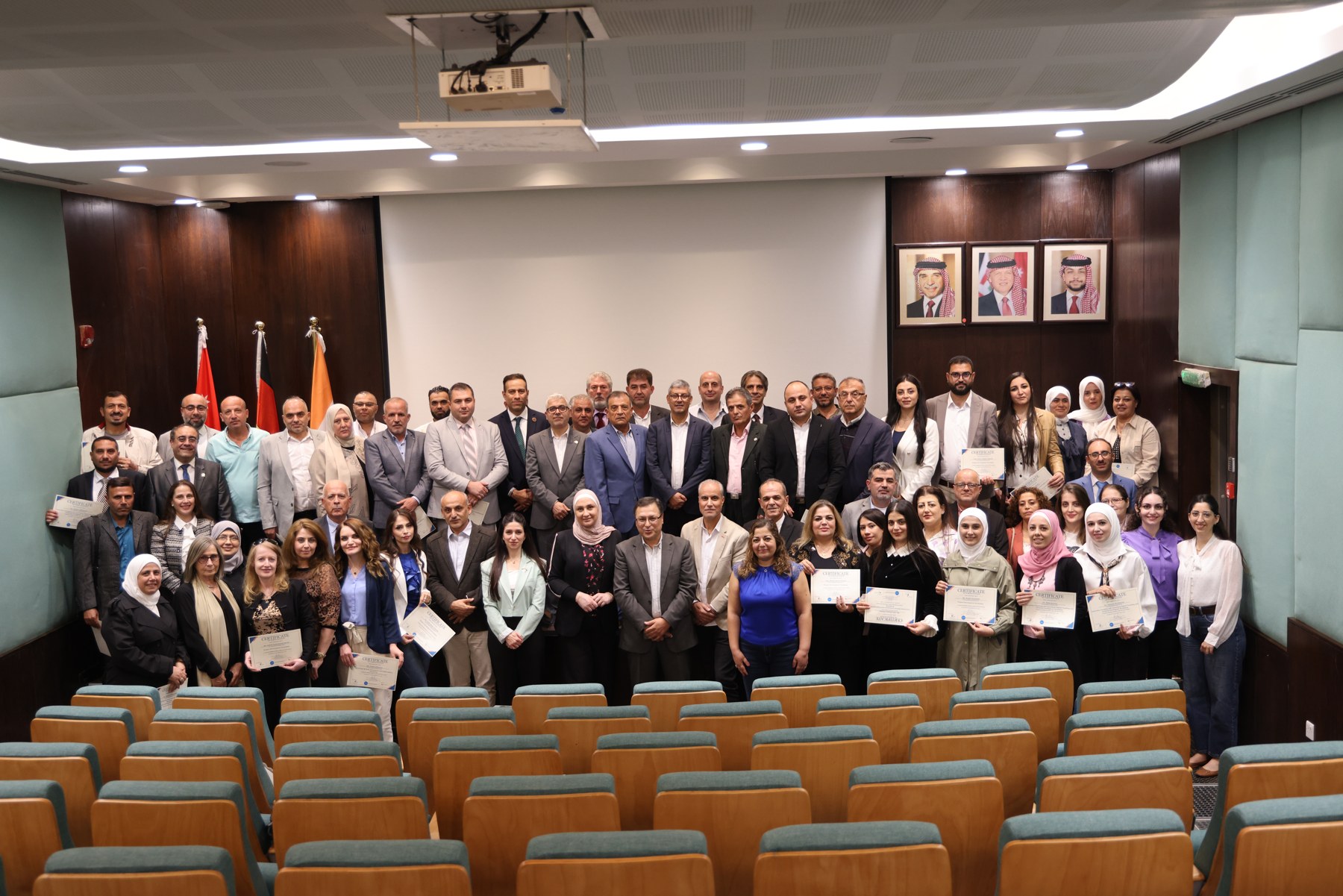
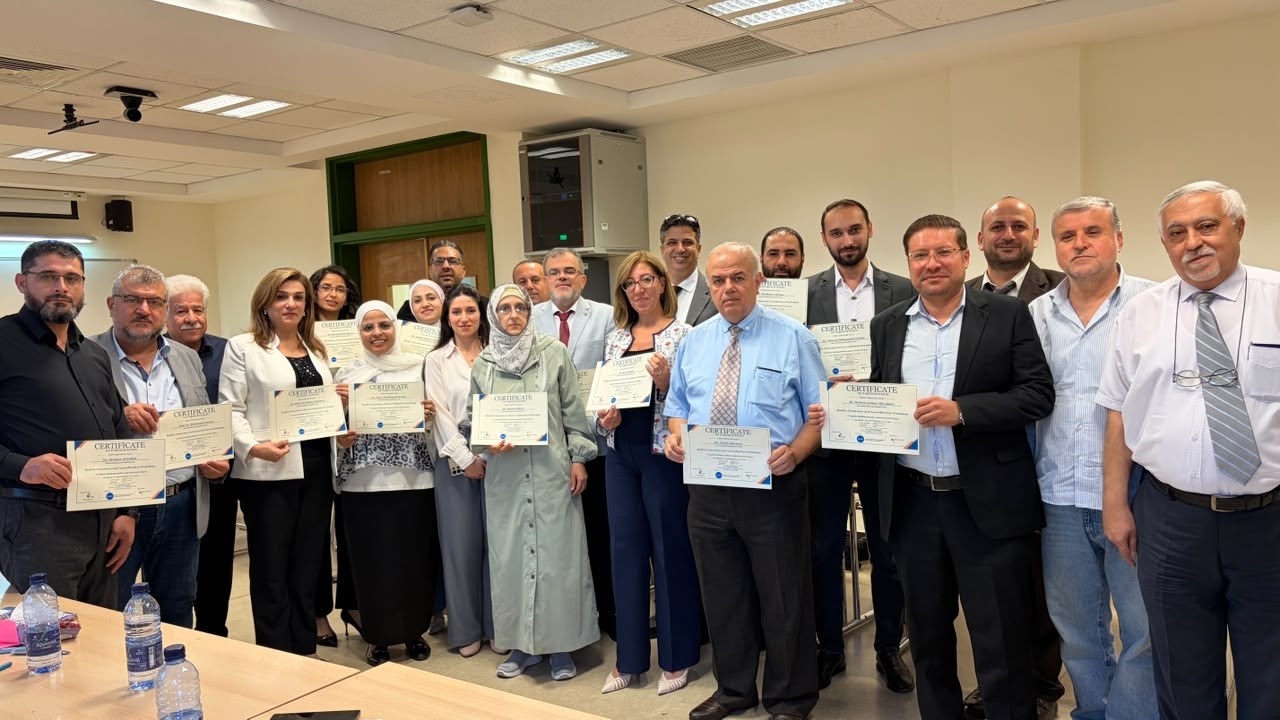
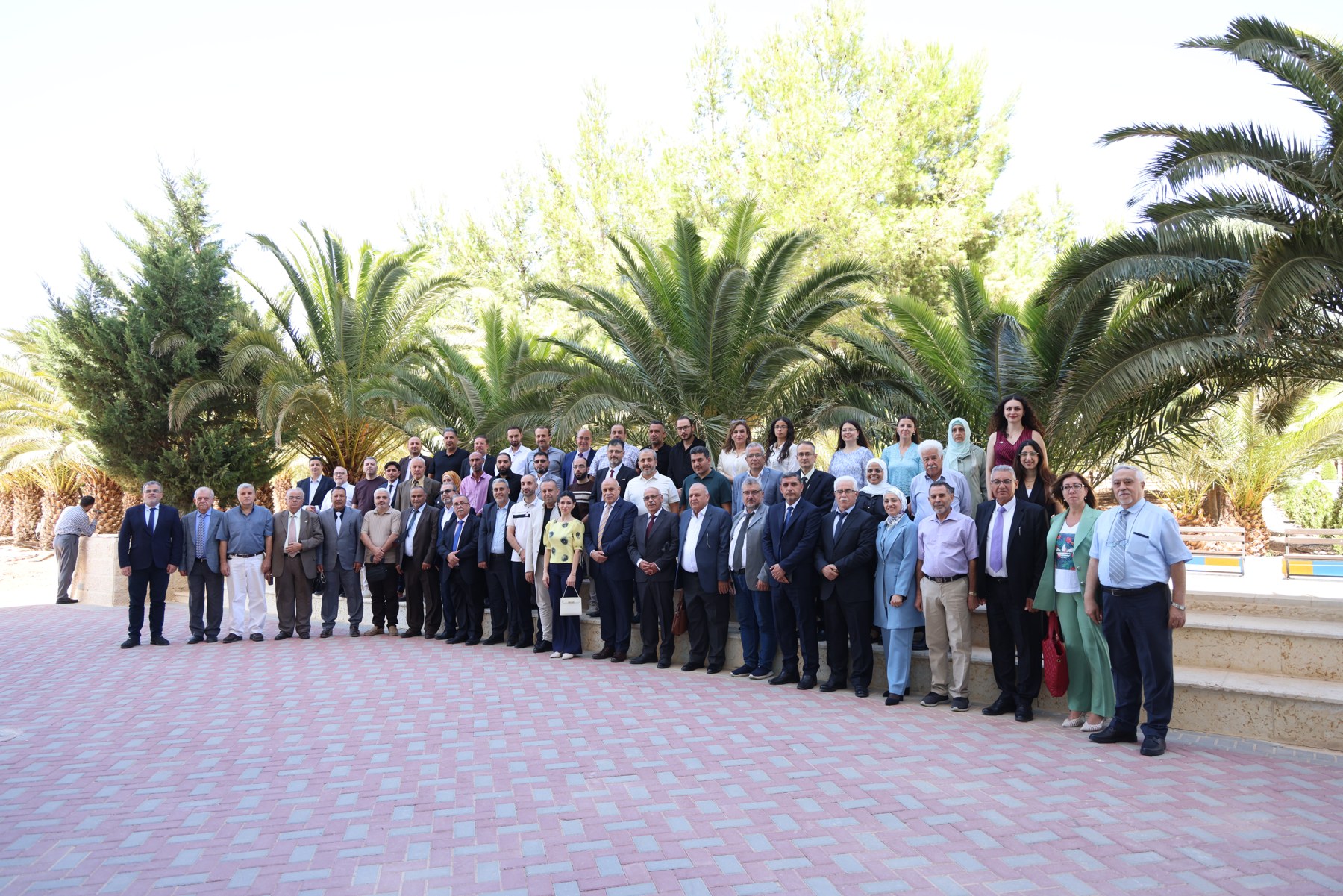
The SyrIA Project completed its first series of ten capacity-building workshops at the German Jordanian University (GJU), bringing together academic and administrative professionals from Syrian universities for three weeks of intensive training, knowledge exchange and professional development.
September–October 2026
Ten areas of higher education development
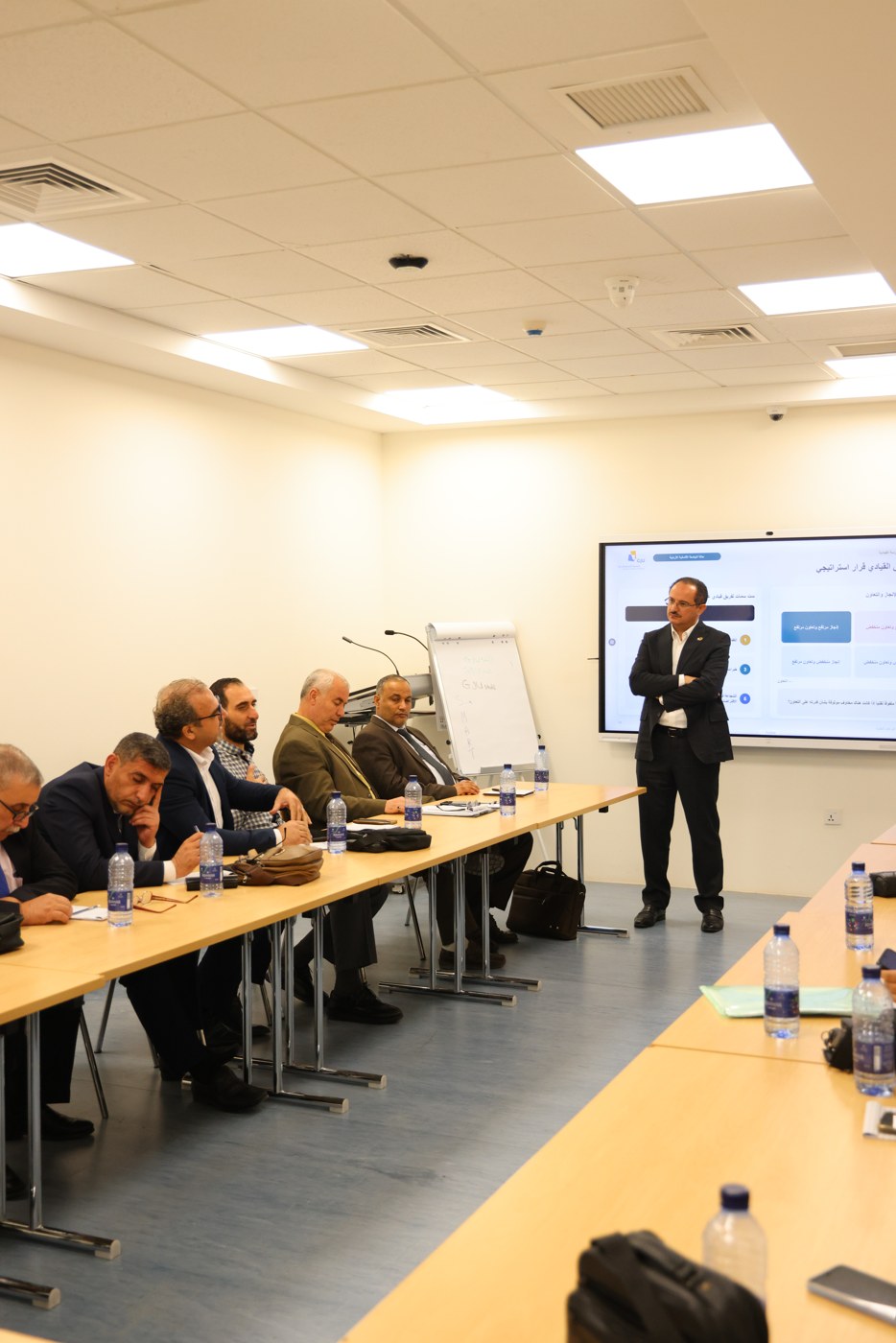
The programme addressed priorities identified through the SyrIA fact-finding mission. Each workshop comprised five training days, covering practical approaches, contemporary tools and international experience relevant to higher education development.
- Strategic University Leadership and Governance
- Modern University Management and Digital Administration
- Leadership for Academic and Administrative Managers
- Curriculum Reform, Assessment and Employability
- Quality Assurance and Accreditation
- Technical and Vocational Education and Training (TVET) and Labour Market Alignment
- Human Resource Development and Talent Management
- Financial Management
- Innovative Teaching, Digital Teaching and Artificial Intelligence
- Project Development and Management
From training to institutional impact
Participants explored ways to apply their new knowledge within their home institutions. In line with the project’s multiplier approach, they are expected to share relevant practices with colleagues and contribute to institutional development. Interactive sessions enabled participants and trainers to exchange experiences, discuss challenges and develop solutions adapted to the Syrian context.
A foundation for continued cooperation
Completing the first ten workshops marks a transition from needs assessment and dialogue to sustained capacity building and follow-up support. The series forms part of the wider programme of workshops, training and dialogue activities throughout 2026–2027. Across the project, the aim is to reach approximately 400 training participants.
The experiences and outcomes of this first series will inform subsequent capacity building, coaching, dialogue and academic cooperation.
Workshop photo gallery