1
Evidence-based fact finding
Systematic literature and legal analysis, online surveys, focus groups and interviews create a robust understanding of reform needs.
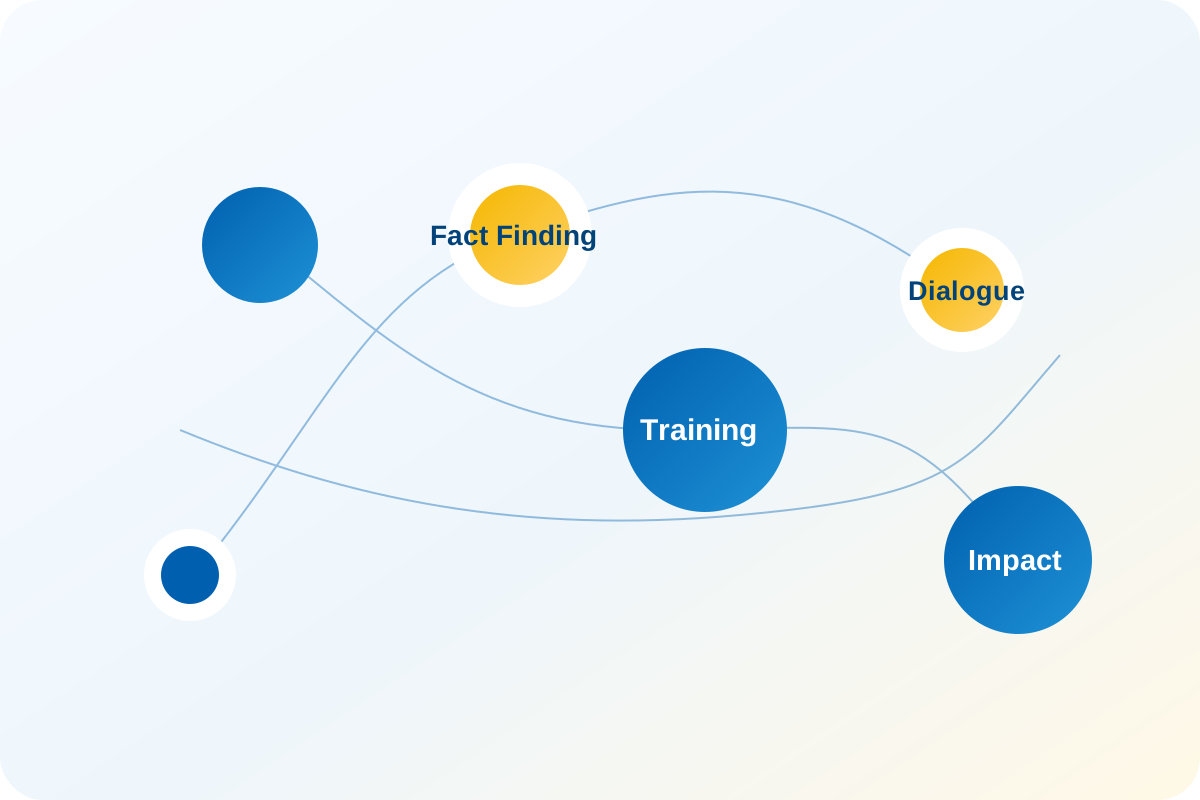
SyrIA supports the sustainable renewal and international connectivity of Syria’s higher education system through fact finding, practice-oriented training, strategic dialogue, coaching, digital tools and professional project management.
A two-day mission in Damascus brought university leadership, innovation actors and the Ministry together around a shared roadmap for future cooperation.
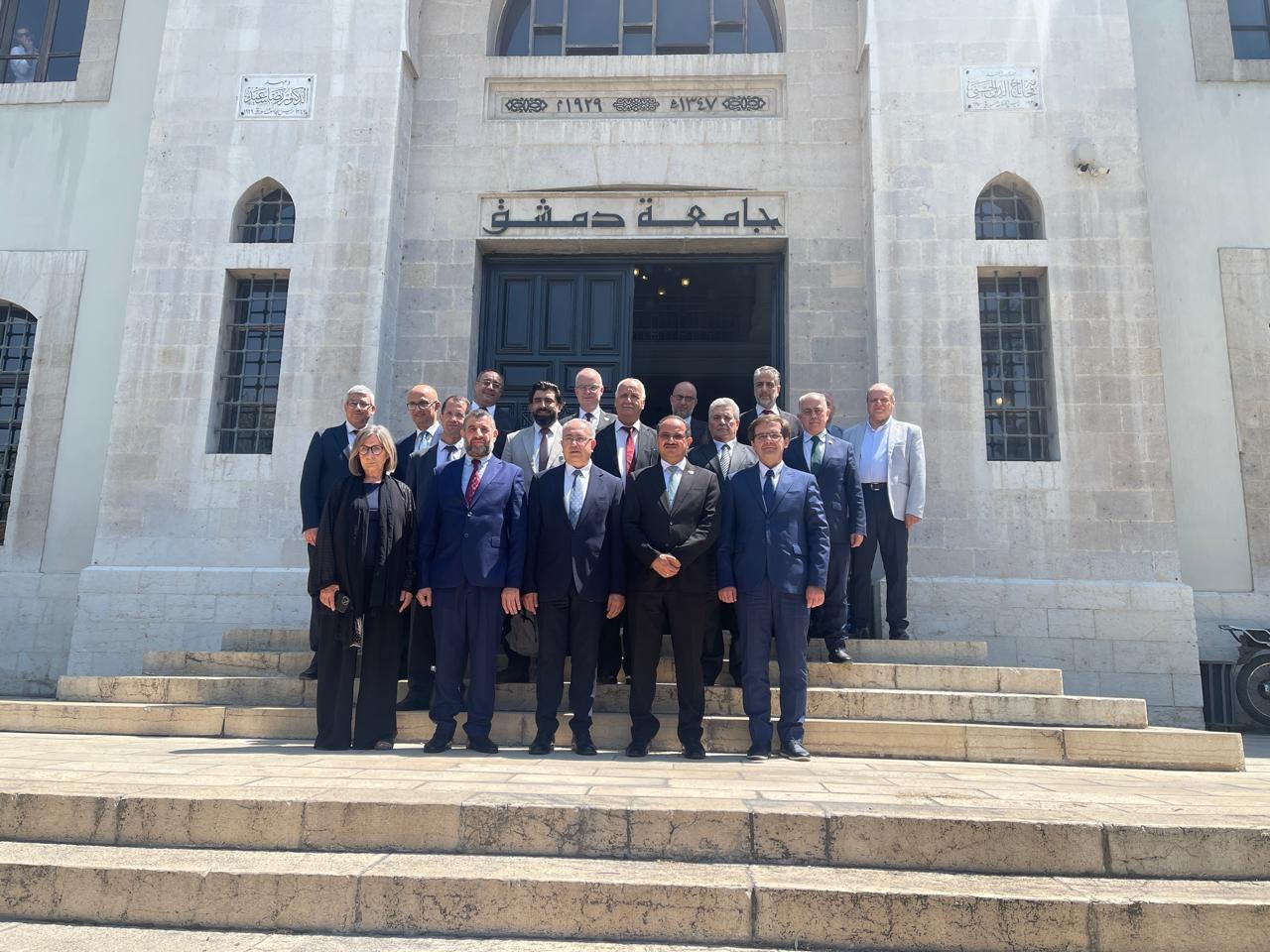
On 5–6 July 2026, a high-level GJU delegation conducted a two-day SyrIA mission to Damascus, strengthening the project’s direct cooperation with Syrian higher education institutions.
The programme combined strategic dialogue with the presidents of Syrian public universities, visits to innovation centres at Damascus University, and high-level discussions with the Ministry of Higher Education and Scientific Research. The mission concluded with an agreed roadmap for capacity building, institutional development and future academic cooperation.
The German Jordanian University (GJU) is currently establishing a pool of qualified trainers, facilitators and higher education experts for the project.
Within the framework of the project, a series of workshops and training sessions for academic and administrative staff of Syrian universities will be implemented during 2026–2027.
QR code for submission
SyrIA Fact-Finding Mission to Syrian Public Universities, May 2026.
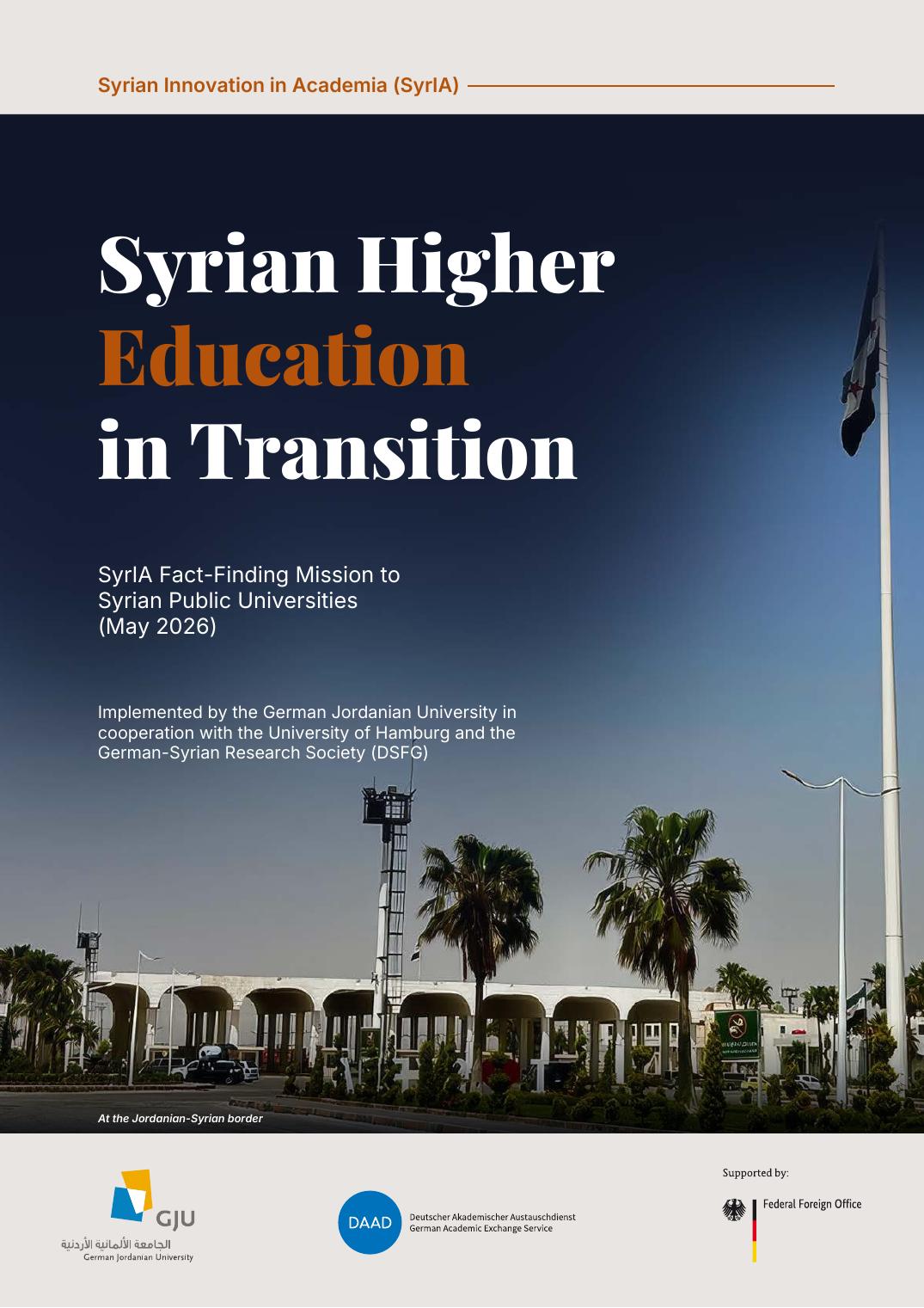
This booklet presents preliminary insights from the SyrIA fact-finding mission to Syrian public universities and provides an initial foundation for continued dialogue, capacity development, and international partnership. The full analytical report will follow later within the project framework.
The German Jordanian University hosted the Jordanian–Syrian Dialogue Forum for the Development of Higher Education on 3 and 4 May 2026.
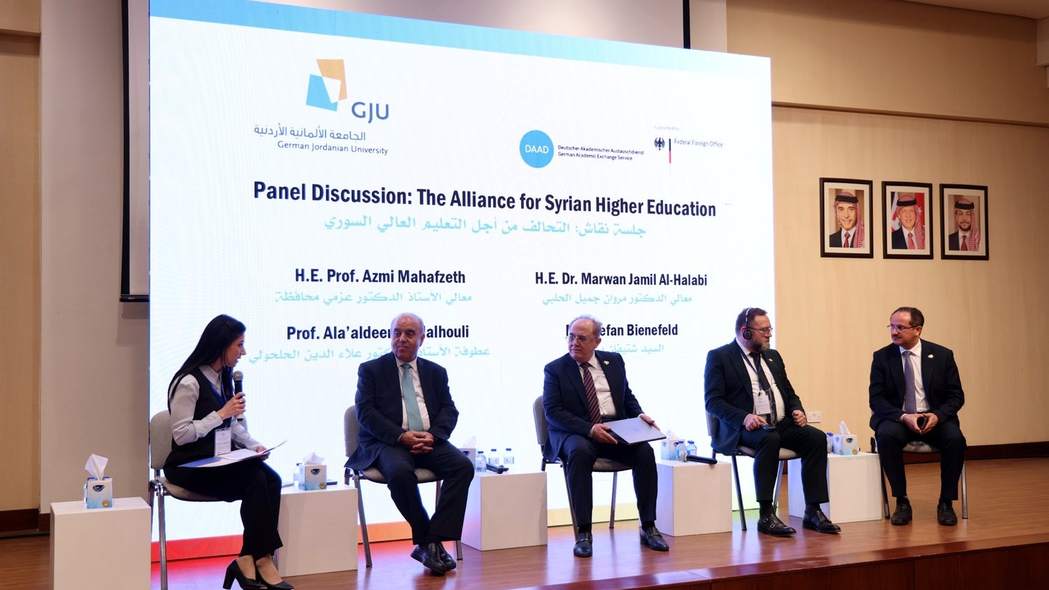
The forum marked the public launch of a structured Jordanian–Syrian–German dialogue on higher education reform, bringing together ministries, university leadership, DAAD, the German Embassy, GJU, and partner institutions around a shared agenda for academic recovery, cooperation, and institutional renewal.
Across the public session and the following working meetings, participants discussed the Alliance for Syrian Higher Education, the SyrIA project roadmap, the planned fact-finding mission, and concrete next steps for capacity building and academic cooperation.
SyrIA combines empirical analysis with capacity building and structured policy dialogue to support the modernization of Syrian higher education during a phase of transformation.
Systematic literature and legal analysis, online surveys, focus groups and interviews create a robust understanding of reform needs.
Workshops and training formats address needs in curriculum development, teaching, quality assurance, digitalization and internationalization.
Dialogue events bring university leaders, ministries and international partners together to discuss reform priorities and cooperation.
The pilot project is anchored at GJU and implemented with German institutional cooperation and Syrian higher education stakeholders.
Each activity builds on the previous phase and contributes to a long-term knowledge and data foundation for follow-up projects.
Empirical assessment of needs, reform dynamics and implementation realities.
Interactive blended learning formats for faculty, deans and administrative staff.
High-level exchanges on higher education policy and strategic reform topics.
Follow-up support to transfer outcomes into institutional practice and action plans.
Digital preparation, documentation and quality assurance through online tools.
Coordination, reporting, open access publication and communication of results.
Latest news, key developments and upcoming activities from the SyrIA project, listed with the newest items first.
5–6 July 2026The two-day mission brought together Syrian university presidents, innovation actors and the Ministry of Higher Education and Scientific Research, concluding with an agreed roadmap for capacity building and academic cooperation.
Read full article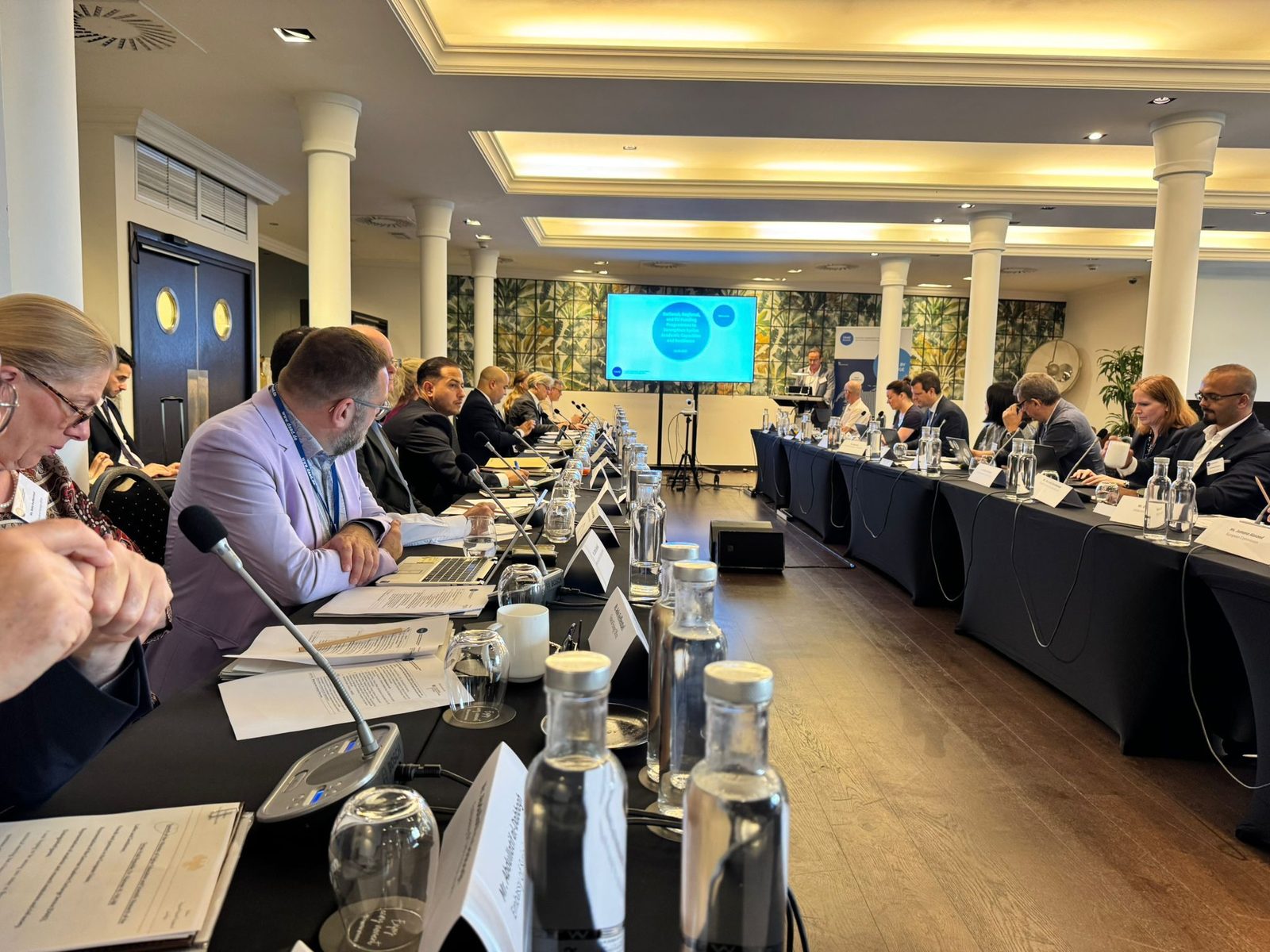 26 June 2026
Representatives of the SyrIA project participated in the DAAD event in Brussels on national, regional and EU funding programmes to strengthen Syrian academic capacities and resilience. The exchange focused on coordinated support, Syrian-led priorities, institutional capacity building and sustainable partnerships.
 June 2026
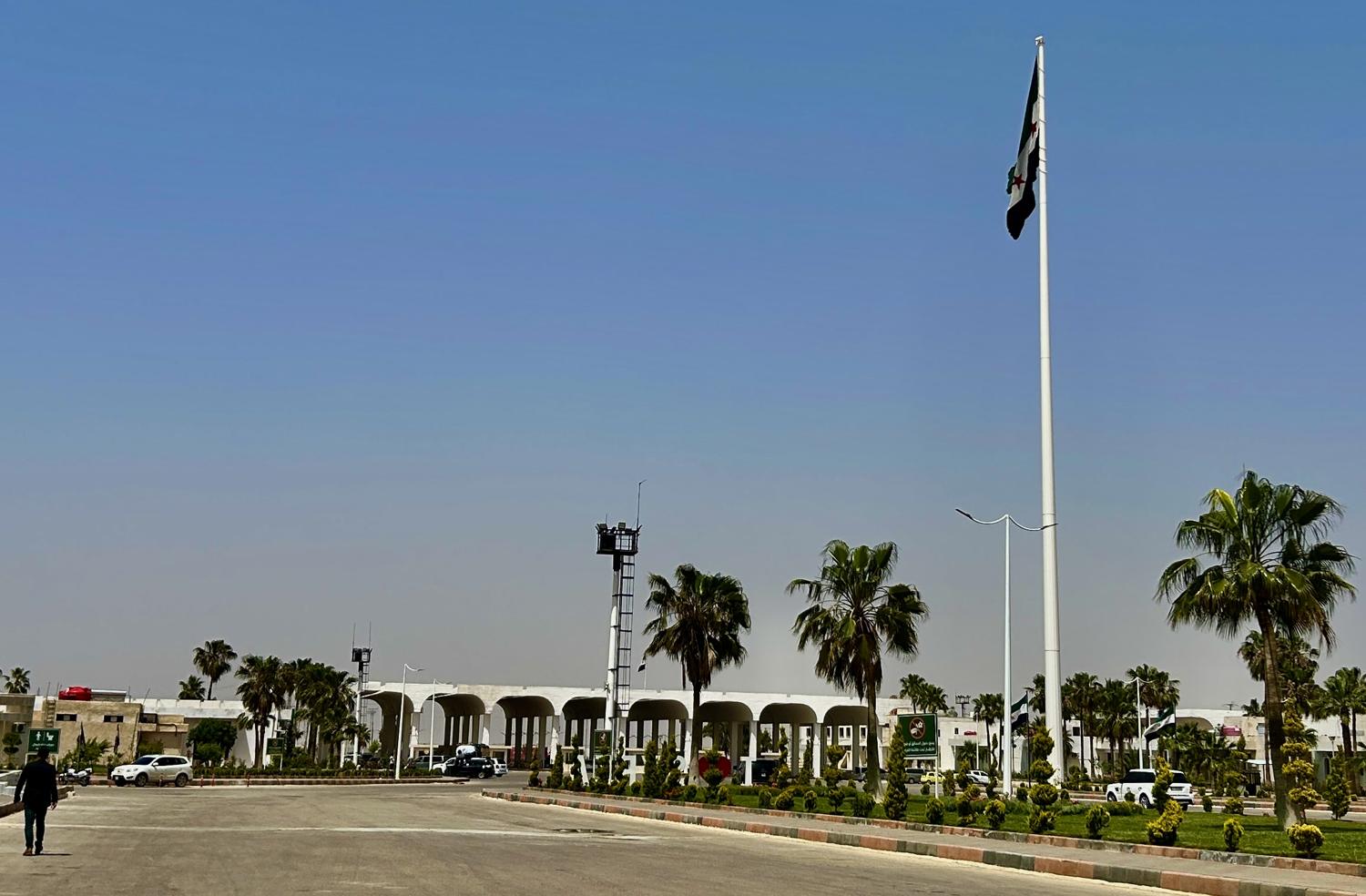
In order to create an evidence-based foundation for further activities, the SyrIA project conducted a fact-finding mission to eight physical Syrian public universities from 9 to 22 May 2026. The booklet presents preliminary insights from this qualitative fact-finding phase.
Read and download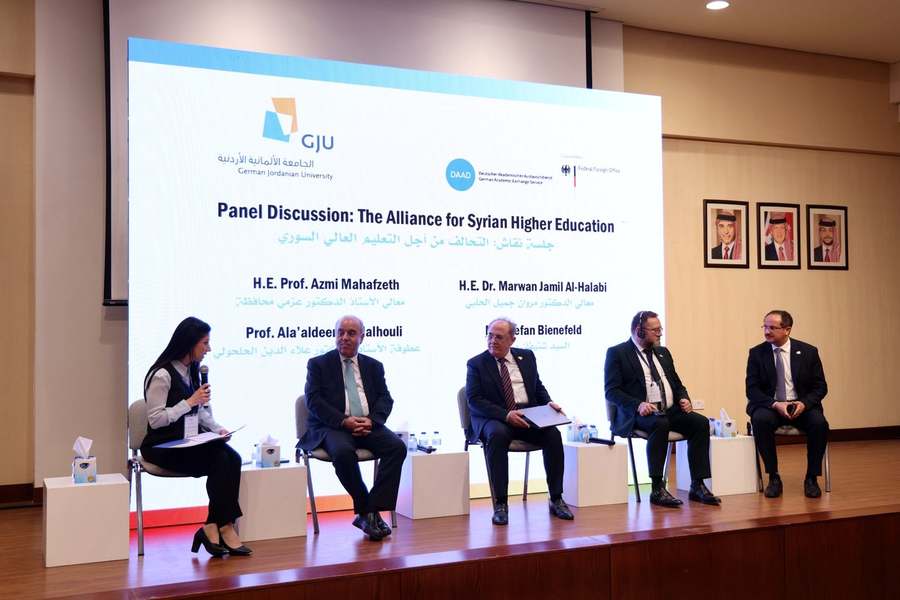 May 2026
The German Jordanian University hosted the Jordanian–Syrian Dialogue Forum for the Development of Higher Education on 3 and 4 May 2026 as part of the Syrian Innovation in Academia (SyrIA) project. The forum brought together high-level representatives from the Jordanian and Syrian higher education sectors, including university presidents, ministry officials, DAAD representatives, the German Embassy in Amman, and partner institutions from Germany and Syria.
Read full article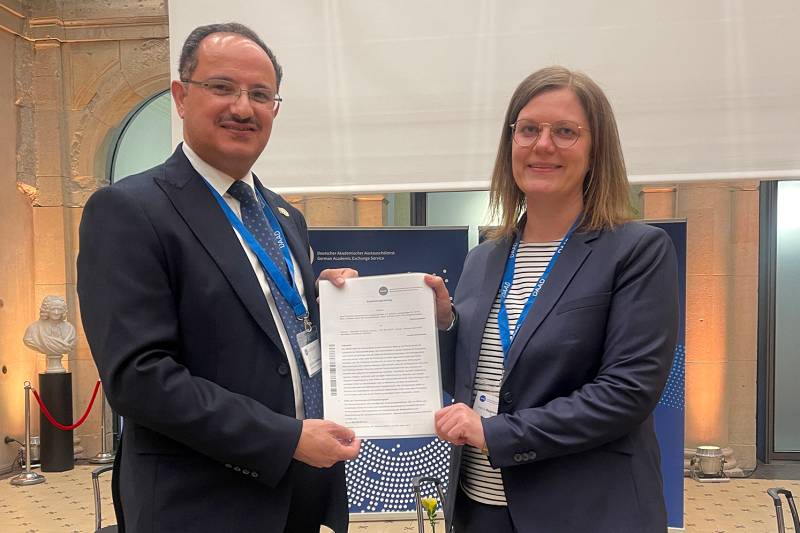 April 2026
The signing of the SyrIA project agreement marked the formal start of the project and laid the foundation for its implementation from March 2026 to December 2027.
Read full article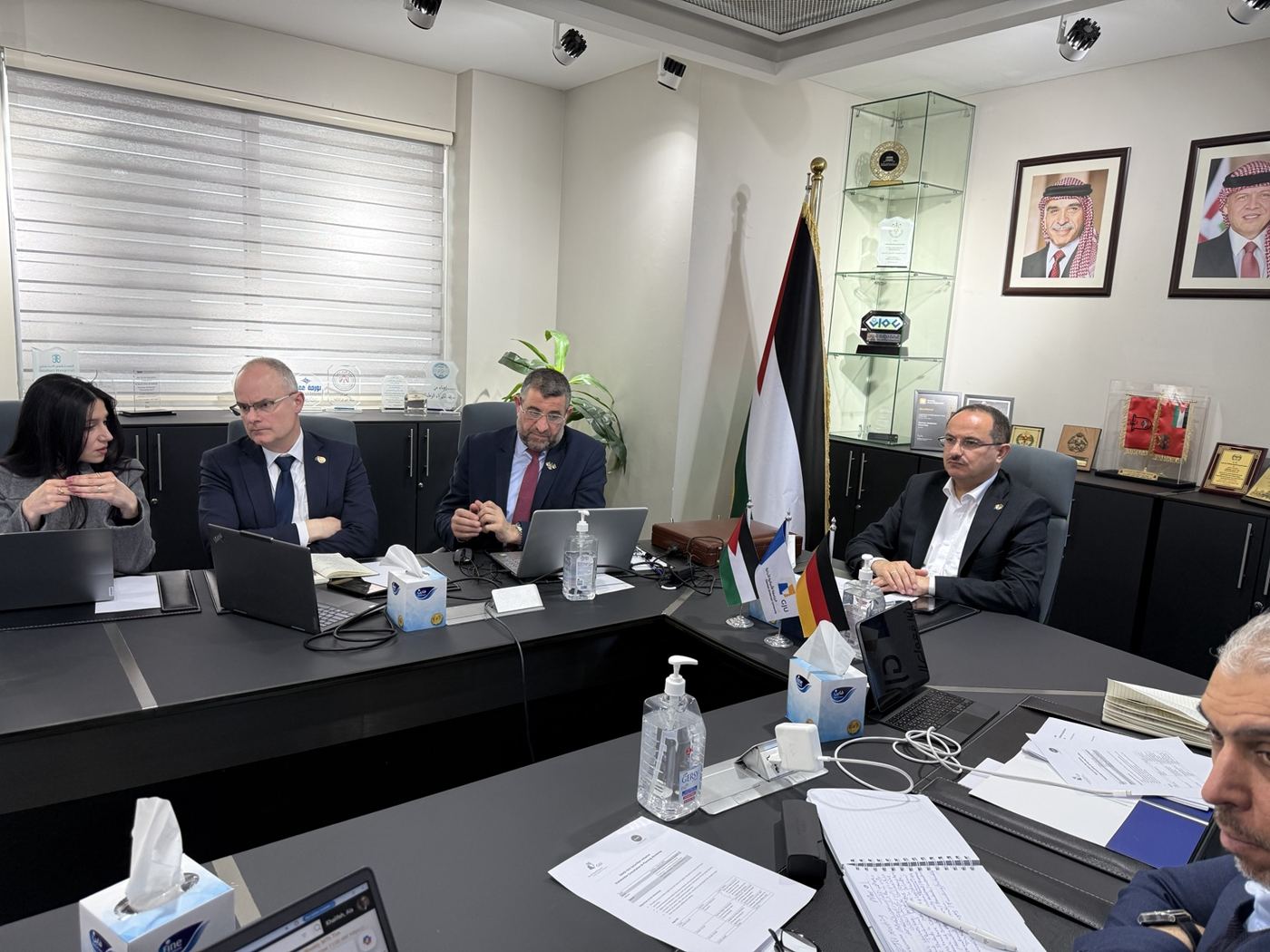 1 March 2026
As part of the preparatory phase of the SyrIA project, a discussion was held with the Syrian Deputy Minister to exchange on priorities for Syrian higher education and to prepare the dialogue and fact-finding activities that followed.
Key milestones are presented in chronological order from the project launch phase through implementation, dissemination and final consolidation.
Exchange on priorities for Syrian higher education and preparation of the project’s dialogue and fact-finding activities.
Empirical needs assessment, interviews, observations and preparation of the analytical report.
Release of the preliminary booklet Syrian Higher Education in Transition, presenting initial findings from the mission to Syrian public universities.
Formal public afternoon programme at the German Jordanian University in Madaba.
SyrIA participated in a DAAD event on national, regional and EU funding programmes to strengthen Syrian academic capacities and resilience.
Strategic dialogue with Syrian university presidents, visits to university innovation centres, and high-level discussions with the Ministry of Higher Education and Scientific Research.
Discussion of findings, cooperation opportunities and next steps with regional and international stakeholders.
Implementation of the core capacity-building and structured exchange activities.
Presentation of interim findings and discussion of recommendations for the next project phase.
Follow-up support for participants to transfer project outcomes into institutional practice.
Presentation and consolidation of evaluated project results, recommendations and follow-up perspectives.